Safety
Dog Car Safety Harness Buying Guide: Fit, Crash-Test Claims, and Setup Checks
Learn how to compare dog car safety harnesses by fit, restraint design, crash-test claims, comfort, adjustability, and everyday setup before buying.
Updated June 23, 2026: Clarified product comparison language, added safety-related sources, and improved fit/setup guidance.
Who this guide is for
A dog car safety harness should do more than keep your dog from moving around the back seat. The right setup should fit securely, limit distracting movement, reduce injury risk during sudden stops, and still let your dog sit or lie down comfortably.
This guide is not a hands-on crash test or a veterinary recommendation. Instead, it explains what dog owners should compare before buying, how to read safety claims, and which setup checks matter before every ride.
Quick take
Avoid choosing a harness only because it looks padded or has the word safety in the product name. Fit, restraint design, verified claims, and correct installation matter more.
- fit snugly around the chest without restricting breathing
- connect to the vehicle in a stable way
- limit forward and side-to-side movement
- use durable hardware and stitching
- match your dog's weight and chest measurements
- come with clear manufacturer instructions
- be comfortable enough for regular rides
What to Compare Before Buying
| Feature | Why it matters | What to check |
|---|---|---|
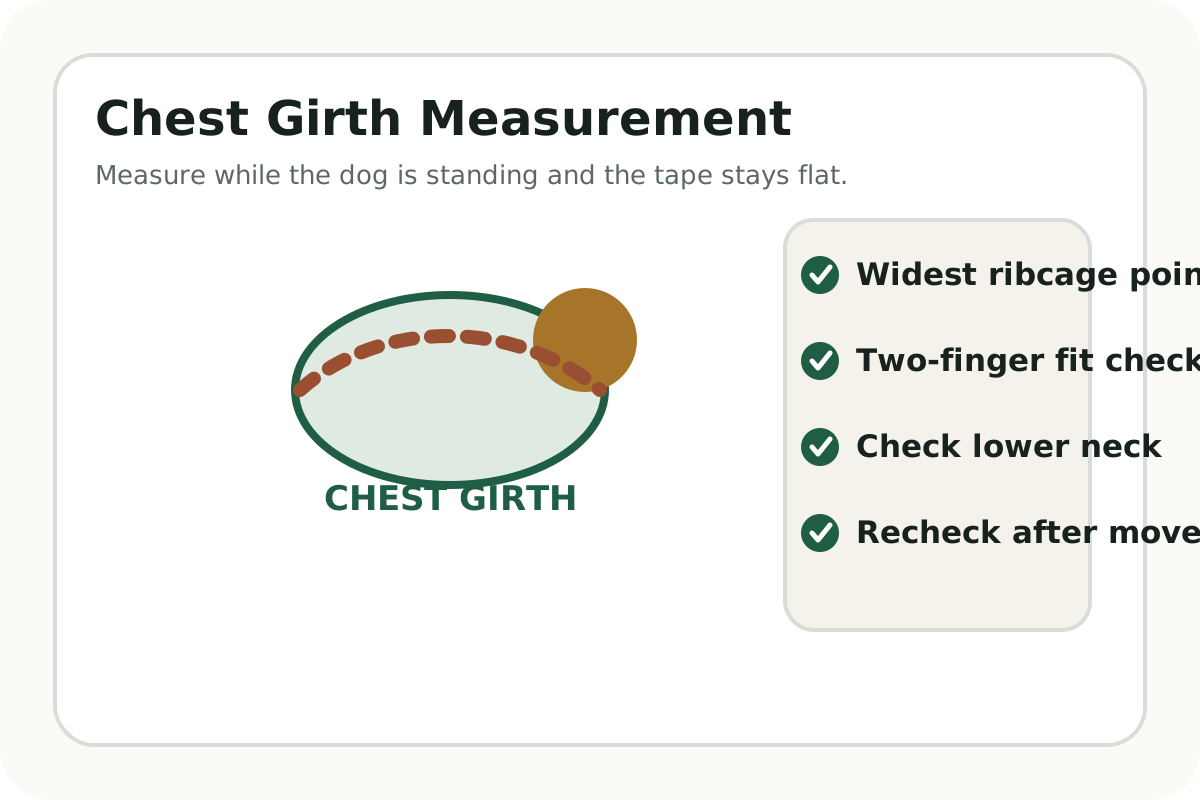
| Chest fit | A loose harness can shift or allow escape. | Measure chest girth and compare with the brand's size chart. |
| Vehicle connection | The harness must attach securely inside the car. | Check whether it uses a seat belt path, tether, latch bar, or other system. |
| Safety claims | Marketing language can be vague. | Look for clear crash-test or certification details. |
| Comfort | Dogs may resist gear that rubs or restricts movement. | Check padding, adjustability, and range of motion. |
| Hardware | Weak clips or stitching can fail under stress. | Look for metal hardware and reinforced construction. |
| Cleaning | Travel gear gets dirty quickly. | Check whether the harness can be wiped or washed. |
Fit and setup checks
Before using a dog car harness on a longer trip, try it during short rides first. Adjust the straps so the harness is snug but not tight. You should be able to fit two fingers under the straps, but the harness should not slide around the shoulders or chest.
If the harness shifts easily while your dog is standing still, it will probably shift more during a sudden stop.
- rubbing behind the front legs
- pressure near the neck
- twisting when the dog turns
- loose straps after movement
- signs of stress, panting, or refusal to sit
Harness or Crate?
A harness can work well for dogs that sit calmly in the back seat and tolerate wearing gear. A secured crate may be better for dogs that chew straps, panic in harnesses, move constantly, or need a more contained space.
For small dogs, carriers and secured crates may sometimes be easier to manage than seat-style harnesses. For large dogs, correct sizing and strong hardware become especially important.
Product examples to compare
The products in this section are examples to help readers understand feature differences. They are not presented as hands-on rankings unless this page is later updated with a documented testing process.
These product examples are included to show features worth comparing. Always verify current sizing, safety claims, pricing, availability, and return policies before buying.
Approximate prices and availability can change. Product examples were last reviewed on June 23, 2026. Always check the manufacturer's current size chart, safety information, and retailer return policy before buying.
- Kurgo Enhanced Strength Tru-Fit Smart Harness about $30-$45
May suit owners who want an everyday harness that can also connect to a car setup. Choose it when adjustment range and easy daily handling matter more than a luxury finish.
- Sleepypod Clickit Sport Plus about $100-$110
May suit buyers who want a higher-end crash-tested harness from a safety-focused brand. It makes the most sense when vehicle restraint is the main job, not casual walking comfort.
- Ruffwear Load Up Dog Car Harness about $100
May suit active dogs whose owners want a sturdy car-specific harness with a broad chest panel. Check current size availability before buying because this model can sell in and out by size.
Safety Reminder
No harness can remove all risk in a crash or sudden stop. Always follow the manufacturer's instructions, keep your dog in the back seat, and ask your veterinarian if your dog has breathing issues, spinal problems, severe anxiety, recent surgery, or other medical concerns.
Quick buying verdict
Before choosing a dog car safety harness, start with fit and setup. Measure your dog's chest girth, check the manufacturer's size chart, and make sure the harness connects to the vehicle in the way the instructions describe.
A better choice is not always the most padded-looking harness. It is the setup your dog can wear comfortably, that you can install correctly every trip, and that uses clear sizing, durable hardware, and documented safety information.
Sources and Further Reading
This guide is informational and should not replace advice from a veterinarian, trainer, airline, government agency, or product manufacturer. For safety-related decisions, check current official guidance and product instructions.
FAQ
Can a regular walking harness be used in the car?
It may be useful for clipping a dog in place during a short ride, but a true car safety setup should be designed for vehicle restraint and sized carefully.
Should the harness attach to the collar?
No. Car restraint pressure should not be placed on the neck. Use a harness connection point.
Is comfort or safety more important?
The best setup balances both. A restraint that is uncomfortable will be avoided, while a comfortable setup with poor hardware may not control movement.