Buying Guides
Escape-Proof Dog Harness Buying Guide
How to choose an escape-resistant harness for nervous dogs, narrow-bodied dogs, rescue dogs, and travel days.
Updated June 23, 2026: Clarified product comparison language, added safety-related sources, and improved fit/setup guidance.
Who this guide is for
Use this guide if your dog has backed out of a harness before, freezes in unfamiliar places, panics at rest stops, or has a narrow body shape that makes standard harnesses slip.
No harness can guarantee that a dog will never escape. The goal is to reduce risk with better fit, more adjustment points, a longer body shape, and careful practice before using the harness in busy places.
Quick take
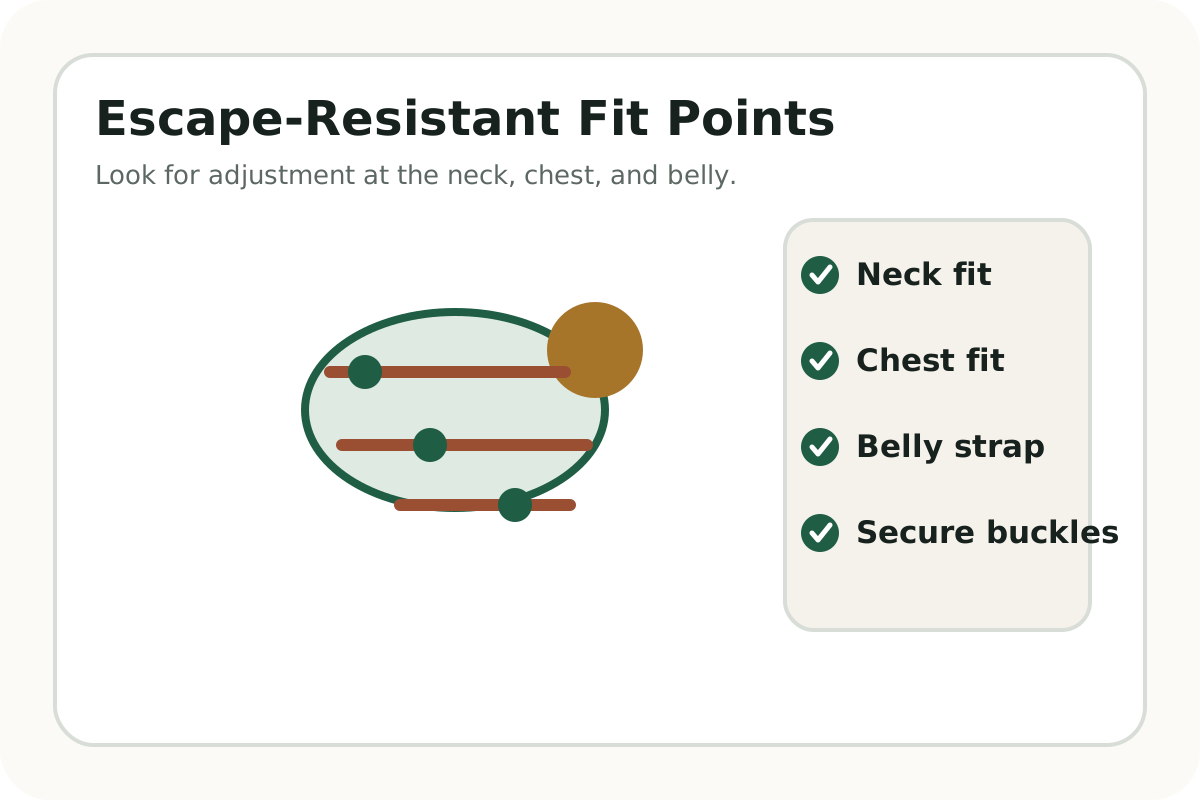
Look for multiple adjustment points around the neck, chest, and belly. A longer body design or belly strap can reduce backing-out risk for some dogs, but fit still matters more than the product name.
Practice indoors first, then test the harness in a quiet outdoor area before using it at rest stops, parking lots, hotel entrances, or busy sidewalks.
Fit and setup checks
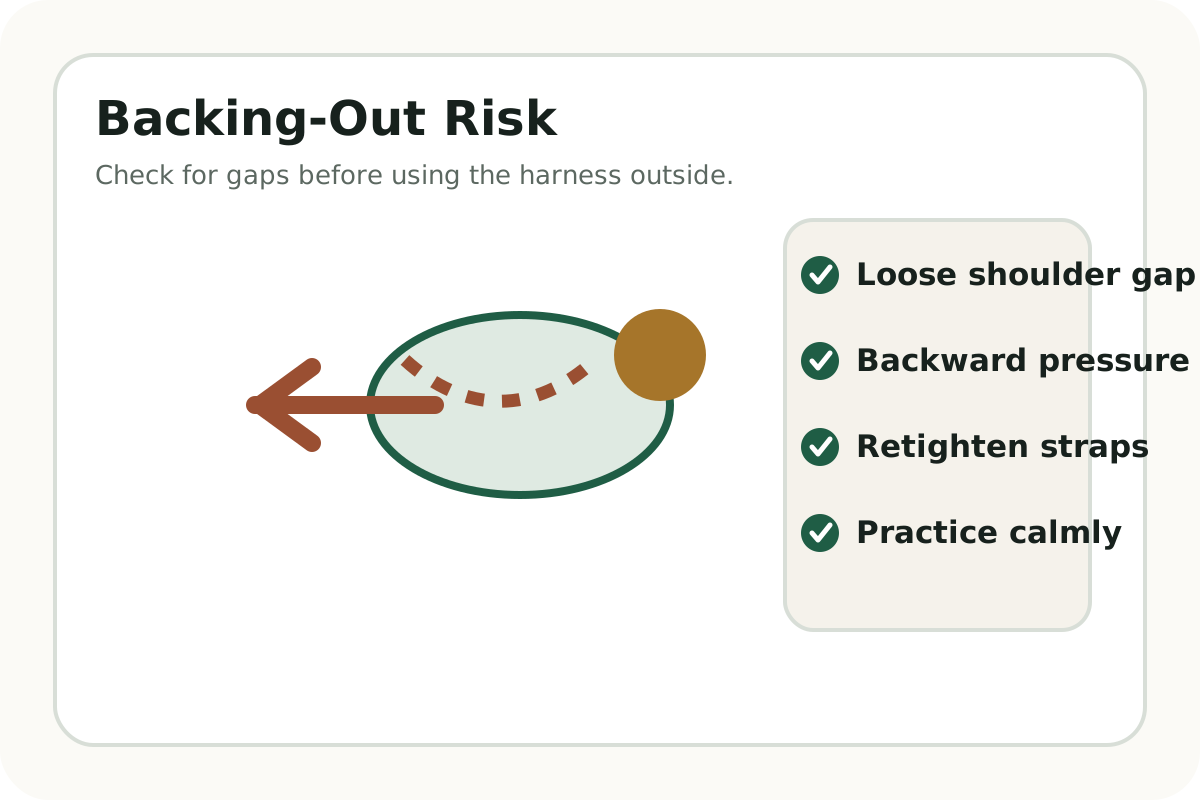
Check for gaps when your dog turns, sits, lowers their head, or pulls backward. A harness that looks secure while the dog stands still may shift when the dog reverses or twists.
Recheck fit after grooming, weight changes, seasonal coat changes, or any trip where the harness got wet or dirty.
When better gear can matter
A better escape-resistant harness is easier to adjust and more stable during backward pulling. Look for secure buckles, a shape that stays centered, and instructions that explain fit clearly.
Do not assume the word "escape-proof" is a guarantee. The design can reduce risk, but practice, fit checks, and owner control still matter.
Quick buying verdict
No harness can guarantee that a dog will never escape, but fit and design can reduce risk. Look for multiple adjustment points, a longer body shape or belly strap, secure buckles, and a setup that does not gap when the dog backs up.
Practice indoors first, then test in a quiet outdoor area before using the harness at rest stops, parking lots, or busy sidewalks.
Sources and Further Reading
This guide is informational and should not replace advice from a veterinarian, trainer, airline, government agency, or product manufacturer. For safety-related decisions, check current official guidance and product instructions.
FAQ
Can any harness be truly escape-proof?
No product can guarantee that, but better design and correct fit can reduce risk.
Who needs this type of harness?
Nervous dogs, newly adopted dogs, narrow-bodied dogs, and dogs in unfamiliar places may benefit.
Should I use two leash points?
For high-risk dogs, a temporary backup connection can add security while training and fit are confirmed.