Dog Travel
Long Road Trip Dog Gear: A Complete Packing Checklist
A high-value packing guide for long road trips with dogs, covering safety, hydration, comfort, cleanup, and backup gear.
Updated June 23, 2026: Clarified product comparison language, added safety-related sources, and improved fit/setup guidance.
Who this guide is for
Use this guide when owners planning multi-hour or multi-day drives with a dog and the plan involves road trips, motel stops, family visits, national parks, and cross-state travel. The most useful comparison points are practical: a secure car restraint or properly secured crate, water storage, a collapsible bowl, and food portions packed by day, and whether the setup still works when the day gets rushed or messy.
Instead of treating long road trip dog gear as a single product race, compare the job it must do for your dog, your vehicle or route, and the way you actually travel.
Quick take
Start with a secure car restraint or properly secured crate. Then compare water storage, a collapsible bowl, and food portions packed by day and a leash system that works for rest stops and unfamiliar parking lots in the real setting: road trips, motel stops, family visits, national parks, and cross-state travel.
A practical long road trip dog gear choice should make setup clearer, not add another thing to manage when the dog is excited, damp, tired, or distracted.
Product examples to compare
These real products can help show the kinds of features shoppers may want to compare. Prices are approximate US ranges and can change by retailer, color, size, and sale timing.
These product examples are included to show features worth comparing. Always verify current sizing, safety claims, pricing, availability, and return policies before buying.
Approximate prices and availability can change. Product examples were last reviewed on June 23, 2026. Always check the manufacturer's current size chart, safety information, and retailer return policy before buying.
- Kurgo Kibble Carrier about $20
May suit pre-portioned dry food on multi-day drives. It keeps kibble cleaner than a loose grocery bag and packs down as food is used.
- Ruffwear Great Basin Dog Bowl about $30
May suit water stops when you want more capacity than a tiny clip-on cup. It suits longer routes where your dog may drink heavily at breaks.
- Earth Rated Dog Wipes about $7-$12
May suit paws, drool, and small messes between hotels or rest stops. They are not exciting gear, but they prevent the car from becoming the cleanup station.
What to look for first
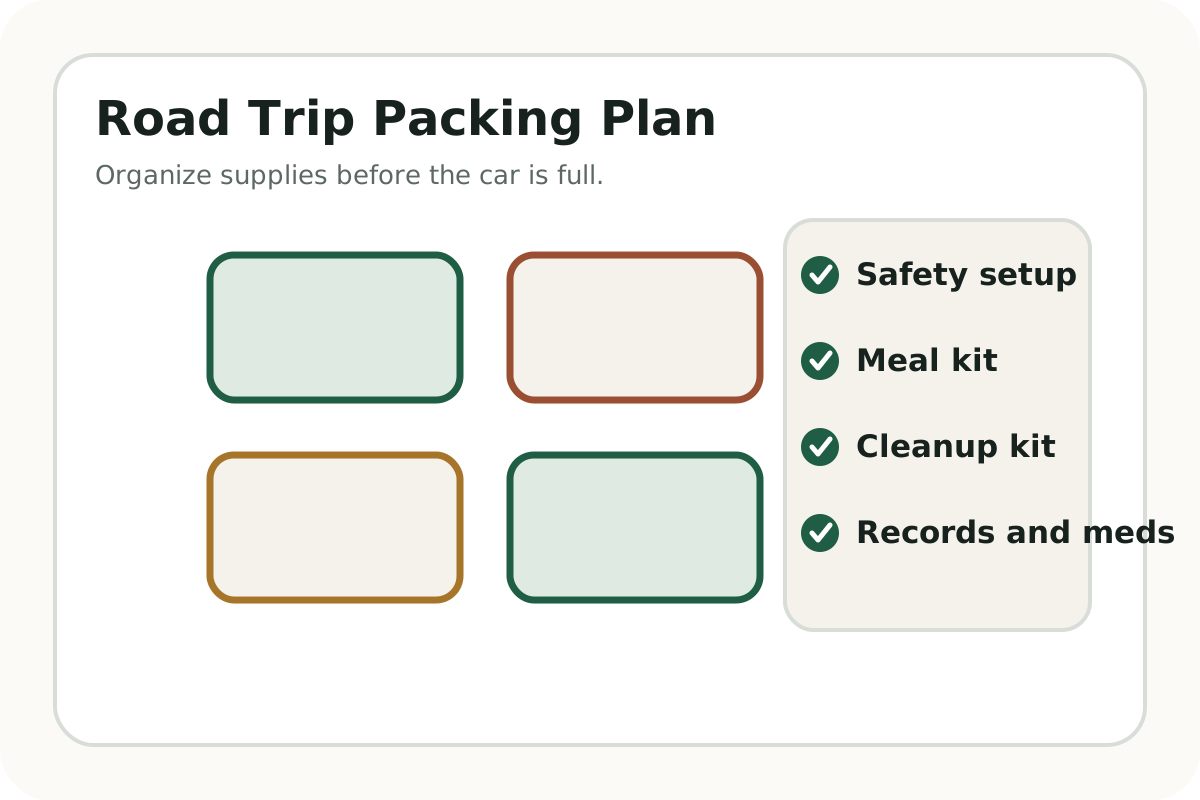
- a secure car restraint or properly secured crate
- water storage, a collapsible bowl, and food portions packed by day
- a leash system that works for rest stops and unfamiliar parking lots
- cleanup supplies, towels, waste bags, and seat protection
- copies of important records and a small first aid kit
How to compare two similar options
When two options look similar, put them into the actual setting: road trips, motel stops, family visits, national parks, and cross-state travel. Compare a secure car restraint or properly secured crate, water storage, a collapsible bowl, and food portions packed by day, and a leash system that works for rest stops and unfamiliar parking lots; those details matter more than color choices or a polished product photo.
Check how each brand supports this setup step: Pack the car so the dog gear is reachable without unloading everything. If one product page gives usable numbers, setup photos, or plain limitations while another leans on broad claims, the more specific page is the better starting point.
Setup checklist
- Pack the car so the dog gear is reachable without unloading everything.
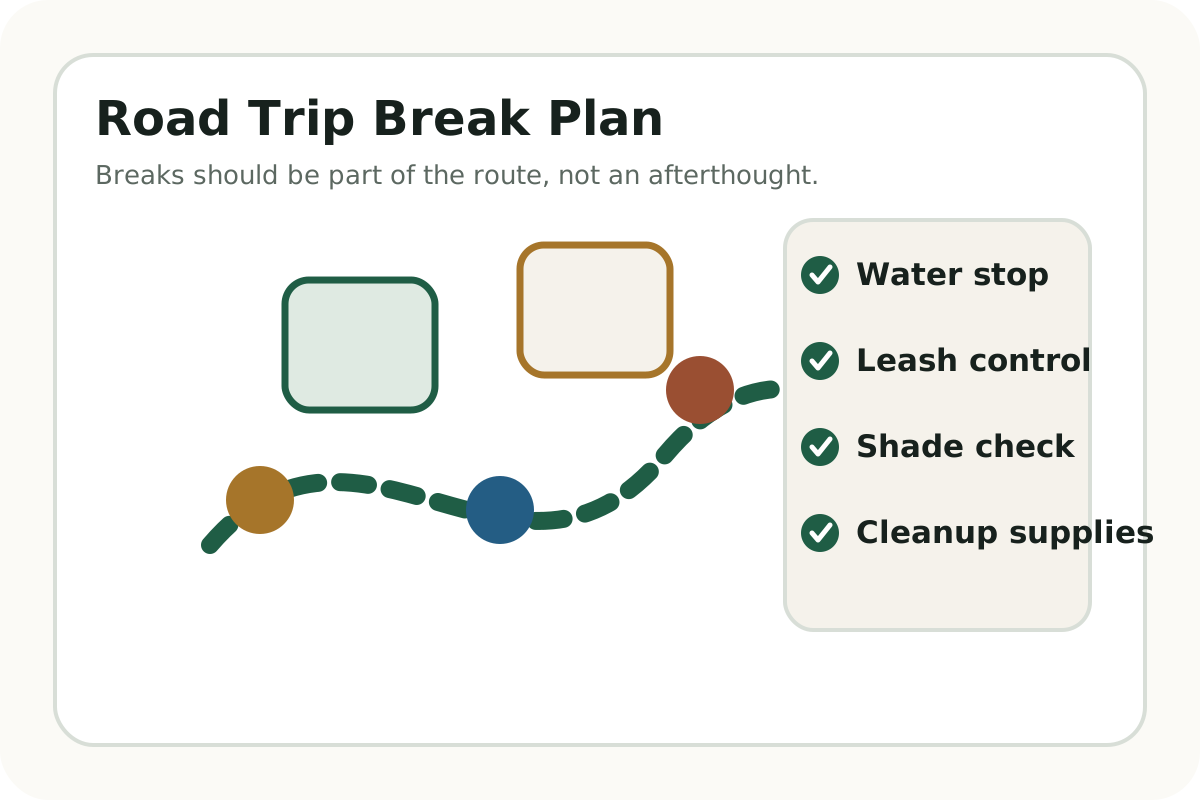
- Plan breaks before the dog becomes restless.
- Use familiar bedding or a mat to reduce stress.
- Keep emergency contacts and vet records accessible.
Fit and setup checks
Before relying on this setup for a full trip, rehearse it at home or on a short local outing. Start with this check: Pack the car so the dog gear is reachable without unloading everything, then watch whether the dog can sit, turn, settle, and move without constant readjustment.
Try the setup again when the dog is mildly distracted, because situations like road trips, motel stops, family visits, national parks, and cross-state travel are rarely as controlled as a living room. If the setup only works when every variable is perfect, it needs more adjustment before a real travel day.
When Better Gear Is Worth Paying For
Premium travel planning is less about buying every accessory and more about removing predictable friction before the trip starts.
Better value shows up in clearer instructions, stronger weak points, better sizing support, and fewer surprises after the first week. A higher price is easier to justify when it removes guesswork from the exact moments that usually create stress.
Where you do not need to overspend
You can save money on backup pieces that are easy to clean, correctly sized, and simple to replace. Spare towels, extra waste bags, or a second basic bowl do not need luxury branding if they do their job without getting in the way.
Do not cut corners on a secure car restraint or properly secured crate. If a cheaper option also creates using new gear for the first time on travel day, the lower price can become expensive the first time you are managing a situation like road trips, motel stops, family visits, national parks, and cross-state travel with a restless dog beside you.
Mistakes to avoid
- packing food in one loose bag with no day portions
- using new gear for the first time on travel day
- forgetting cleanup supplies for cars, hotels, and rest stops
Maintenance and replacement signals
After road trips, motel stops, family visits, national parks, and cross-state travel, inspect the parts of this setup that carry pressure, moisture, or movement: a secure car restraint or properly secured crate, water storage, a collapsible bowl, and food portions packed by day, and a leash system that works for rest stops and unfamiliar parking lots. Dirt, salt, drool, and repeated loading can hide wear until the next trip exposes it.
Clean the gear, let it dry fully, and retire it when stitching, clips, fabric, zippers, or attachment points stop behaving normally. The warning sign is not just visible damage; it is any change that makes setup slower, looser, noisier, or less predictable.
When to choose a different approach
Choose a different product or setup if your current choice leads to packing food in one loose bag with no day portions. It is better to change direction early than manage a preventable problem during travel.
If the dog shows pain, panic, repeated escape attempts, heat stress, or motion sickness in situations like road trips, motel stops, family visits, national parks, and cross-state travel, slow down before adding more gear. The right decision should make the trip calmer, and any health or behavior concern deserves help from a qualified veterinarian or trainer.
Quick buying verdict
Start with the practical fit and setup checks: a secure car restraint or properly secured crate, plus the basic step of Pack the car so the dog gear is reachable without unloading everything. Once those points are clear, compare comfort, cleaning, durability, and whether the setup matches the way your dog actually travels.
A useful option should support water storage, a collapsible bowl, and food portions packed by day without creating problems such as packing food in one loose bag with no day portions. Treat color, styling, and small price differences as secondary details after fit, setup, and safety role are understood.
Sources and Further Reading
This guide is informational and should not replace advice from a veterinarian, trainer, airline, government agency, or product manufacturer. For safety-related decisions, check current official guidance and product instructions.
FAQ
How often should dogs get a break?
Many dogs do well with regular breaks every few hours, but age, health, and anxiety can change that.
Should I feed before driving?
Ask your vet for dogs with motion sickness. Many owners avoid heavy meals right before long drives.
What is the most overlooked item?
A spare leash or slip lead is often the item owners wish they had packed.