Safety
Summer Road Trip Dog Safety: Heat, Hydration, and Gear Choices
Plan safer summer dog road trips with hydration gear, shade, cooling routines, car temperature awareness, and practical packing.
Updated June 23, 2026: Clarified product comparison language, added safety-related sources, and improved fit/setup guidance.
Who this guide is for
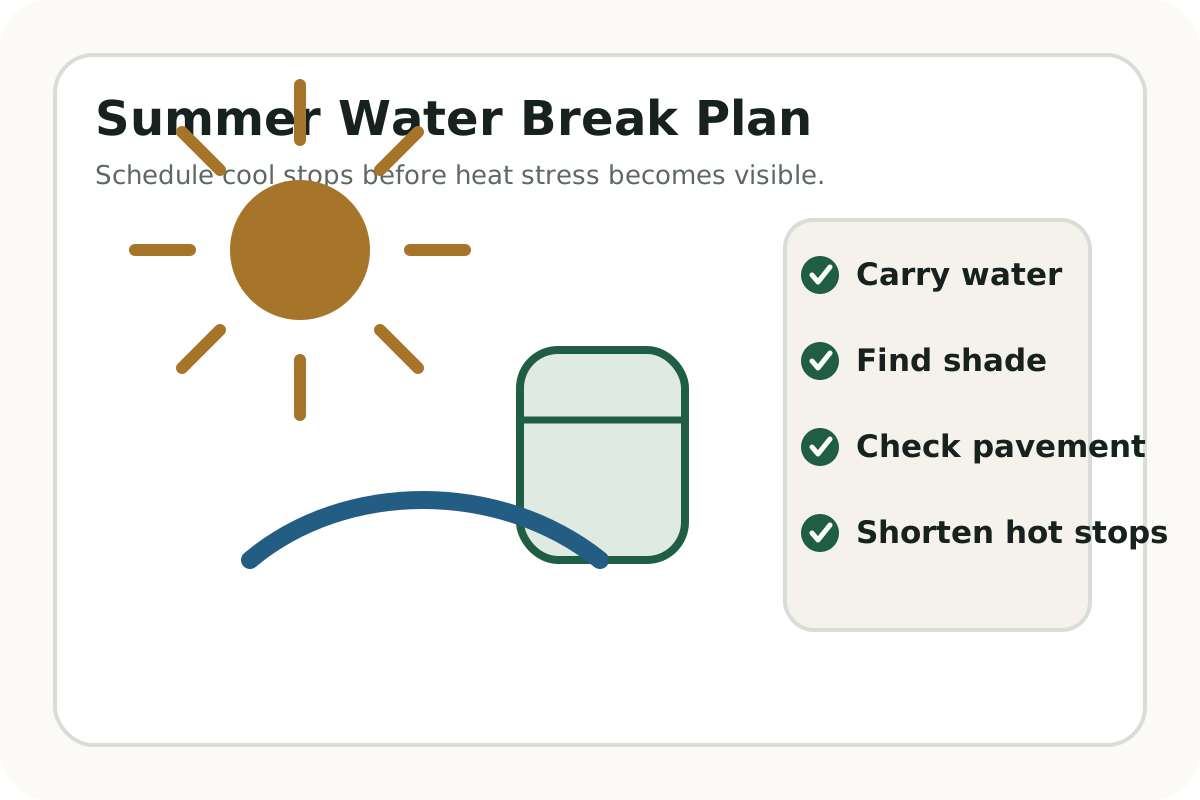
Summer road trips add heat, dehydration, paw-surface risk, and parked-car danger to ordinary travel planning. Cooling gear can help during supervised breaks, but it cannot make a hot vehicle safe.
This guide focuses on water access, shaded stops, route timing, surface checks, cooling accessories, and when to end a stop early because the conditions are no longer comfortable for the dog.
Quick take
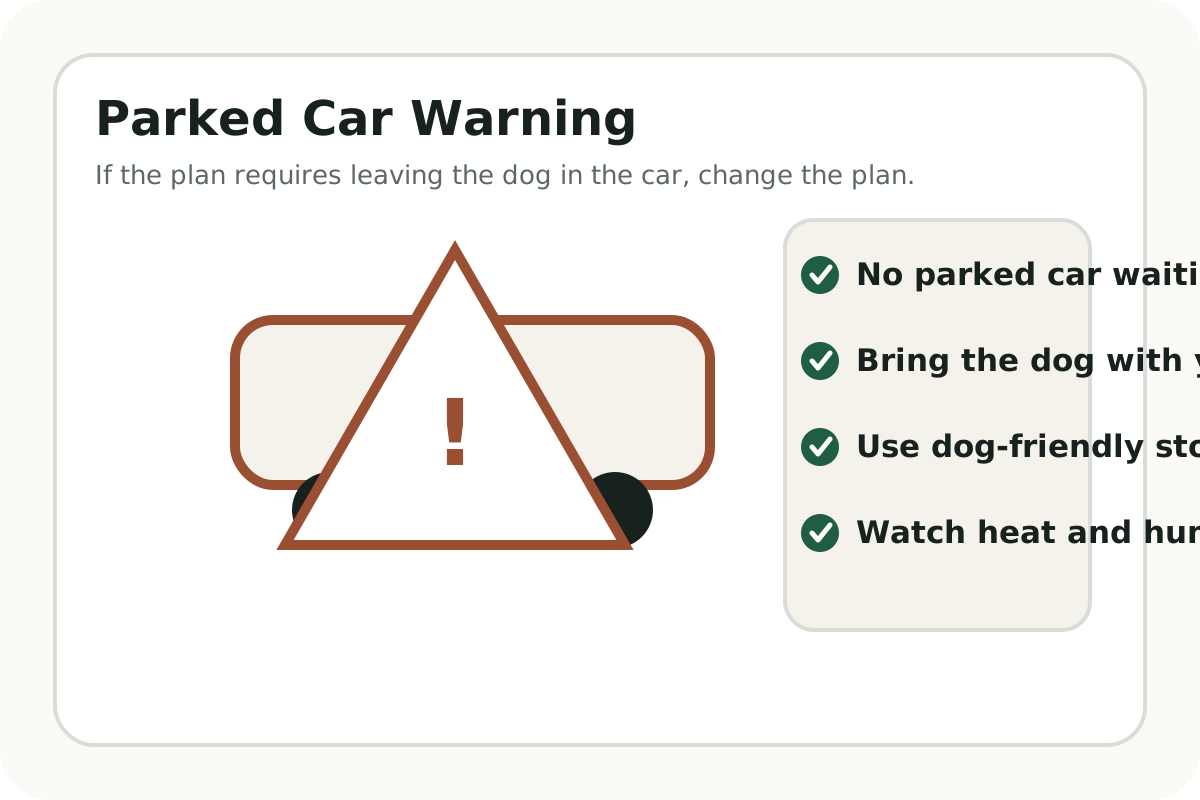
Plan water and shade before you need them. If the route depends on leaving the dog in a parked car, change the plan instead of trying to solve the problem with gear.
Product examples to compare
These real products can help show the kinds of features shoppers may want to compare. Prices are approximate US ranges and can change by retailer, color, size, and sale timing.
These product examples are included to show features worth comparing. Always verify current sizing, safety claims, pricing, availability, and return policies before buying.
Approximate prices and availability can change. Product examples were last reviewed on June 23, 2026. Always check the manufacturer's current size chart, safety information, and retailer return policy before buying.
- Ruffwear Swamp Cooler Vest about $60-$80
May suit supervised warm-weather breaks where evaporative cooling can help. It does not make hot cars safe, so shade and water still come first.
- Kurgo Splash Free Wander Bowl about $15-$20
May suit water access in the car with less splashing than an open bowl. It is useful on long routes where hydration breaks need to stay easy.
- KONG H2O Dog Water Bottle about $15-$25
May suit owners who want bottle-and-bowl storage in one compact item. Test whether your dog drinks from it before a hot travel day.
What to look for first
- more water than a normal daily outing requires
- a bowl that is easy to use at every stop
- shade planning and cooling breaks
- breathable harness materials
- strict avoidance of leaving dogs in hot vehicles
How to compare two similar options
When two options look similar, put them into the actual setting: summer highways, rest stops, beach trips, campgrounds, and hot parking lots. Compare more water than a normal daily outing requires, a bowl that is easy to use at every stop, and shade planning and cooling breaks; those details matter more than color choices or a polished product photo.
Check how each brand supports this setup step: Plan breaks in shaded areas where possible. If one product page gives usable numbers, setup photos, or plain limitations while another leans on broad claims, the more specific page is the better starting point.
Setup checklist
- Plan breaks in shaded areas where possible.
- Touch pavement before walking for long periods.
- Keep the car cabin comfortable before loading the dog.
- Watch for heavy panting, weakness, or unusual behavior.
Fit and setup checks
Before relying on this setup for a full trip, rehearse it at home or on a short local outing. Start with this check: Plan breaks in shaded areas where possible, then watch whether the dog can sit, turn, settle, and move without constant readjustment.
Try the setup again when the dog is mildly distracted, because situations like summer highways, rest stops, beach trips, campgrounds, and hot parking lots are rarely as controlled as a living room. If the setup only works when every variable is perfect, it needs more adjustment before a real travel day.
When Better Gear Is Worth Paying For
Summer gear is high-value when it prevents predictable heat problems. Water access and planning matter more than trendy accessories.
Better value shows up in clearer instructions, stronger weak points, better sizing support, and fewer surprises after the first week. A higher price is easier to justify when it removes guesswork from the exact moments that usually create stress.
Where you do not need to overspend
You can save money on backup pieces that are easy to clean, correctly sized, and simple to replace. Spare towels, extra waste bags, or a second basic bowl do not need luxury branding if they do their job without getting in the way.
Do not cut corners on more water than a normal daily outing requires. If a cheaper option also creates dark, heavy harnesses for long hot walks, the lower price can become expensive the first time you are managing a situation like summer highways, rest stops, beach trips, campgrounds, and hot parking lots with a restless dog beside you.
Mistakes to avoid
- leaving a dog in a parked car
- dark, heavy harnesses for long hot walks
- waiting until the dog is desperate before offering water
Maintenance and replacement signals
After summer highways, rest stops, beach trips, campgrounds, and hot parking lots, inspect the parts of this setup that carry pressure, moisture, or movement: more water than a normal daily outing requires, a bowl that is easy to use at every stop, and shade planning and cooling breaks. Dirt, salt, drool, and repeated loading can hide wear until the next trip exposes it.
Clean the gear, let it dry fully, and retire it when stitching, clips, fabric, zippers, or attachment points stop behaving normally. The warning sign is not just visible damage; it is any change that makes setup slower, looser, noisier, or less predictable.
When to choose a different approach
Choose a different product or setup if your current choice leads to leaving a dog in a parked car. It is better to change direction early than manage a preventable problem during travel.
If the dog shows pain, panic, repeated escape attempts, heat stress, or motion sickness in situations like summer highways, rest stops, beach trips, campgrounds, and hot parking lots, slow down before adding more gear. The right decision should make the trip calmer, and any health or behavior concern deserves help from a qualified veterinarian or trainer.
Quick buying verdict
Start with the practical fit and setup checks: more water than a normal daily outing requires, plus the basic step of Plan breaks in shaded areas where possible. Once those points are clear, compare comfort, cleaning, durability, and whether the setup matches the way your dog actually travels.
A useful option should support a bowl that is easy to use at every stop without creating problems such as leaving a dog in a parked car. Treat color, styling, and small price differences as secondary details after fit, setup, and safety role are understood.
Sources and Further Reading
This guide is informational and should not replace advice from a veterinarian, trainer, airline, government agency, or product manufacturer. For safety-related decisions, check current official guidance and product instructions.
FAQ
Can dogs stay in cars with windows cracked?
No. Parked cars can become dangerous quickly in warm weather.
Are cooling mats useful?
They can help during rest, but they do not replace shade, water, and safe temperatures.
How much water should I pack?
Pack more than you expect to need, especially for large dogs or remote areas.